July 10, 2026
.jpg)

National HIV Testing Day is observed each year on June 27 to encourage people to get tested for HIV (Human Immunodeficiency Virus) and know their status. Knowing your status is an important step in protecting your health.
The CDC (Centers for Disease Control and Prevention) recommends that everyone between the ages of 13 and 64 get tested for HIV at least once. People who take part in activities or have experiences that increase their risk of getting HIV should be tested more often.
HIV is a virus that attacks your body's immune system. Your immune system helps protect you against infections and illness. If HIV is not treated, it can weaken the immune system over time and can lead to AIDS (Acquired Immunodeficiency Syndrome). AIDS is the most severe stage of HIV, and without treatment, people with AIDS usually survive for about 3 years.
There is currently no cure for HIV, and it does not go away on its own. However, treatments are available that can lower the amount of HIV in the blood. With ongoing treatment, the HIV level in the blood can become so low that it is undetectable through standard tests. If your HIV level is undetectable, you will not transmit HIV to others through sex. People who have HIV and are receiving treatment can have long, healthy lives.
HIV is transmitted through contact with certain body fluids from a person who has HIV. Common ways HIV can spread include anal or vaginal sex and sharing needles.
HIV is only transmitted through certain body fluids, which include:
HIV is spread to another person when these fluids contact mucous membranes (such as those inside the mouth, vagina, penis, or rectum), damaged tissue (such as an open cut or sore), or through direct injection (like through a syringe or needle).
You cannot get or spread HIV through:
Yes. There are several ways to lower your risk of HIV:
Talk with a healthcare provider to learn whether PrEP or PEP may be right for you.
The only way to know if you have HIV is to get tested.
HIV testing is available at places such as a doctor's office, community health center, or clinic. You can also use an HIV self-test, which allows you to test privately at home. HIV self-test kits are available for purchase at many pharmacies, and some organizations provide free HIV self-test kits.
You can use the HIV Services Locator to find HIV testing locations near you and to find local organizations that offer free HIV self-test kits.
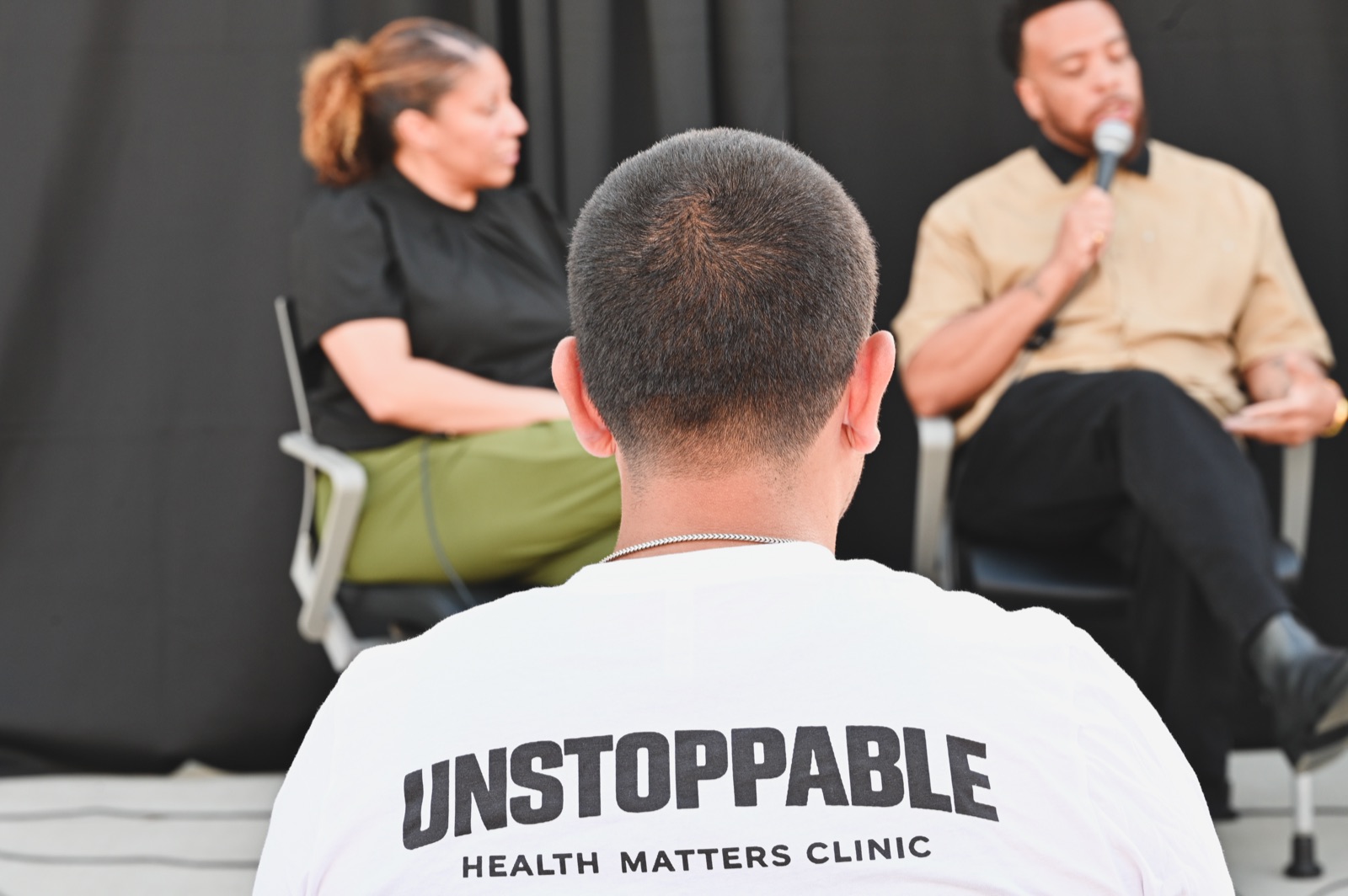
Health Matters Clinic offers community health events that provide free HIV testing. To find an event near you, click here.
MEDICAL DISCLAIMER: The content provided is for informational and educational purposes only and does not constitute medical advice. It is not a substitute for professional medical advice, diagnosis, or treatment. Reading or use of this information does not create a doctor-patient relationship. While we strive to provide accurate and up-to-date information, we make no representations or warranties of any kind, express or implied, about the completeness, accuracy, reliability, suitability, or availability of the information provided. Information is subject to change. Users engage with the content provided at their own risk. The publishers, contributors, authors, or affiliates shall not be held liable for any consequences arising from the use of information provided. Always consult your healthcare provider for guidance on your specific medical needs and before starting, changing, or stopping any medical treatment. If you think you may have a medical emergency, call 911 or your doctor immediately.