February 3, 2026
.jpg)
With the New Year comes new opportunities to manage our health better. Understanding your blood pressure can help you better manage your health. Here’s everything you need to know:
Blood Pressure is the force of your blood pushing against the walls of your blood vessels. Blood vessels, such as arteries and veins, are spread throughout the body. These vessels are important because they supply your muscles, tissues, and organs (such as the heart) with oxygen-rich blood and nutrients that they need in order to work properly. Your body usually keeps the blood pressure within a certain range to keep the blood flowing. When this pressure becomes too high, it can lead to serious health problems.
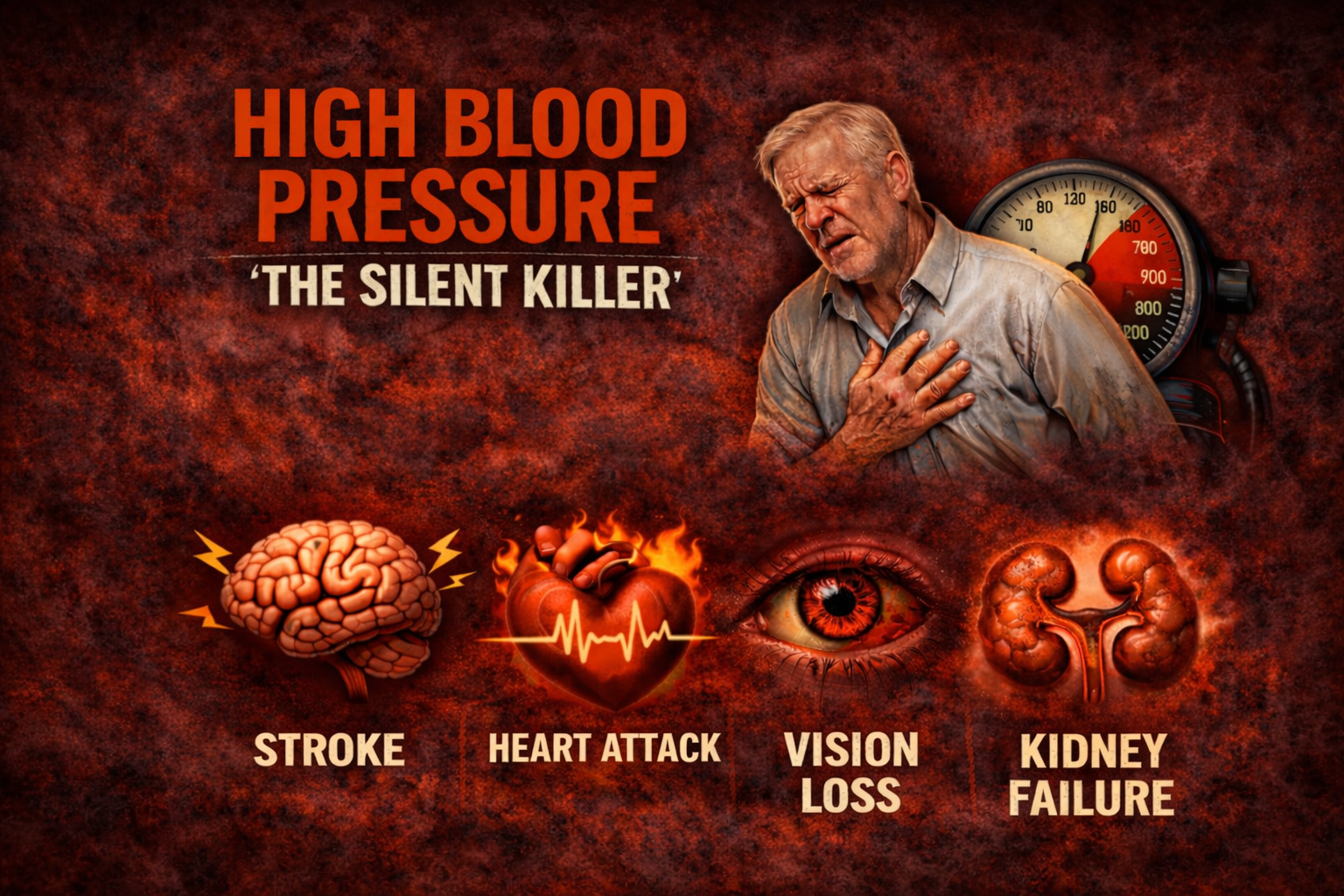
High blood pressure, also called hypertension, happens when the blood pressure in the blood vessels becomes too high. Many people who have high blood pressure don’t know they have it: there are usually no obvious symptoms. This is why it is sometimes called a “silent killer”.
Consequences of High Blood Pressure
When blood pressure is too high for too long, it causes tears in the walls of the blood vessels. Over time, things like cholesterol can stick to these damaged areas and form plaques. As these plaques build up, it narrows the inside of the blood vessels. This narrowing can eventually cause a block in blood flow. When blood flow is blocked, oxygen and nutrients are not delivered to the tissues. This can cause many health problems, such as:
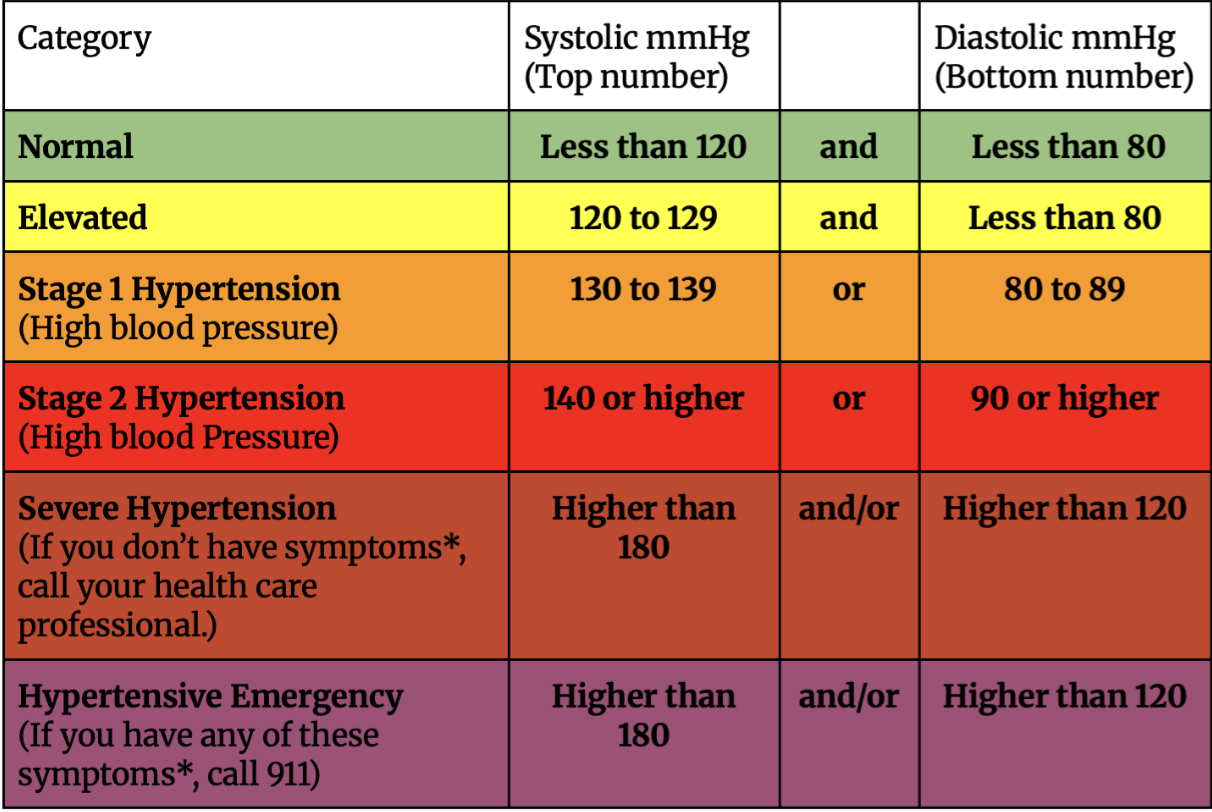
Blood pressure measurements involve 2 numbers: systolic blood pressure (the top/upper number) and diastolic blood pressure (the bottom/lower number). They are measured in units called millimeters of mercury (mmHg). You’ll need to look at both top and bottom numbers to know whether your blood pressure is normal, elevated, or high.
Categories of Blood Pressure
There are different categories of blood pressure, and it can range from normal to high. Some types of high blood pressure are more severe than others. Stage 1, stage 2, severe hypertension, and hypertensive emergency are all types of high blood pressure. However, when measurements of blood pressure fall into the hypertensive emergency category, and there are certain symptoms present such as chest pain, it could be life-threatening. Categories of blood pressure are listed below.
The American Heart Association (AHA) recommends having your blood pressure checked at least once a year if your blood pressure is normal. If your blood pressure is higher, be sure to speak with a health care professional, such as a doctor, to see how often you should have your blood pressure checked since you may need to have it checked more often. If you are concerned about your blood pressure, contact a healthcare professional.
Free Blood Pressure Checks in Your Community
You can also get your blood pressure checked for free at a Health Matters Clinic community event near you. We regularly offer blood pressure screenings at our outreach events and wellness programs.Use our Event Finder Tool to find an upcoming HMC event or a health event near you: https://www.healthmatters.clinic/resources/eventfinder
While a diagnosis of high blood pressure can only be made by a health care professional, you can still check your blood pressure at home using a blood pressure monitor. Many stores sell blood pressure monitors, and some may have a blood pressure monitoring machine available in-store that reads your blood pressure for free.
One measurement of blood pressure doesn’t typically paint the whole picture. Taking multiple blood measurements across different days may help your healthcare provider determine how to manage your blood pressure. Keep track of your blood pressure by writing down the numbers and the day you measured your blood pressure. The AHA provides a log that can be printed out by clicking here or on the link in the references below.
Healthy lifestyle changes can help you prevent and manage high blood pressure.
This article is for informational purposes only and should not be substituted for professional medical advice, diagnosis or treatment. Information is subject to change. Consult your healthcare provider for guidance on medical issues and before starting, changing or terminating any medical treatment.
References