March 31, 2026
.jpg)

According to the American Cancer Society, from 2013 to 2022, the incidence rates of colorectal cancer increased in adults younger than 50 years of age. This is especially concerning because colorectal cancer is the 3rd leading cause of cancer-related deaths in men and the 4th leading cause in women in the United States. The good news is that there are ways to help prevent colorectal cancer, and you can start today.
Colorectal cancer affects the colon (a part of your large intestine) and the rectum. Both the colon and rectum are part of the digestive system. When the cells in the colon and/or rectum grow out of control, it can lead to abnormal growths called polyps. Over time, these polyps can become cancerous.


You can start reducing your risk of developing colorectal cancer today, in just 5 steps:
While regular testing is usually done at age 45, colorectal cancer can develop in younger individuals. Common symptoms of colorectal cancer include:
If you have any of these symptoms, talk to your doctor.
While colorectal cancer is a leading cause of cancer-related deaths, you can start reducing your risk of colorectal cancer today in just 5 steps. If you have any symptoms or questions about whether screening is right for you, talk to your doctor.
This article is for informational purposes only and should not be substituted for professional medical advice, diagnosis, or treatment. Information is subject to change. Consult your healthcare provider for guidance on medical issues and before starting, changing, or terminating any medical treatment.
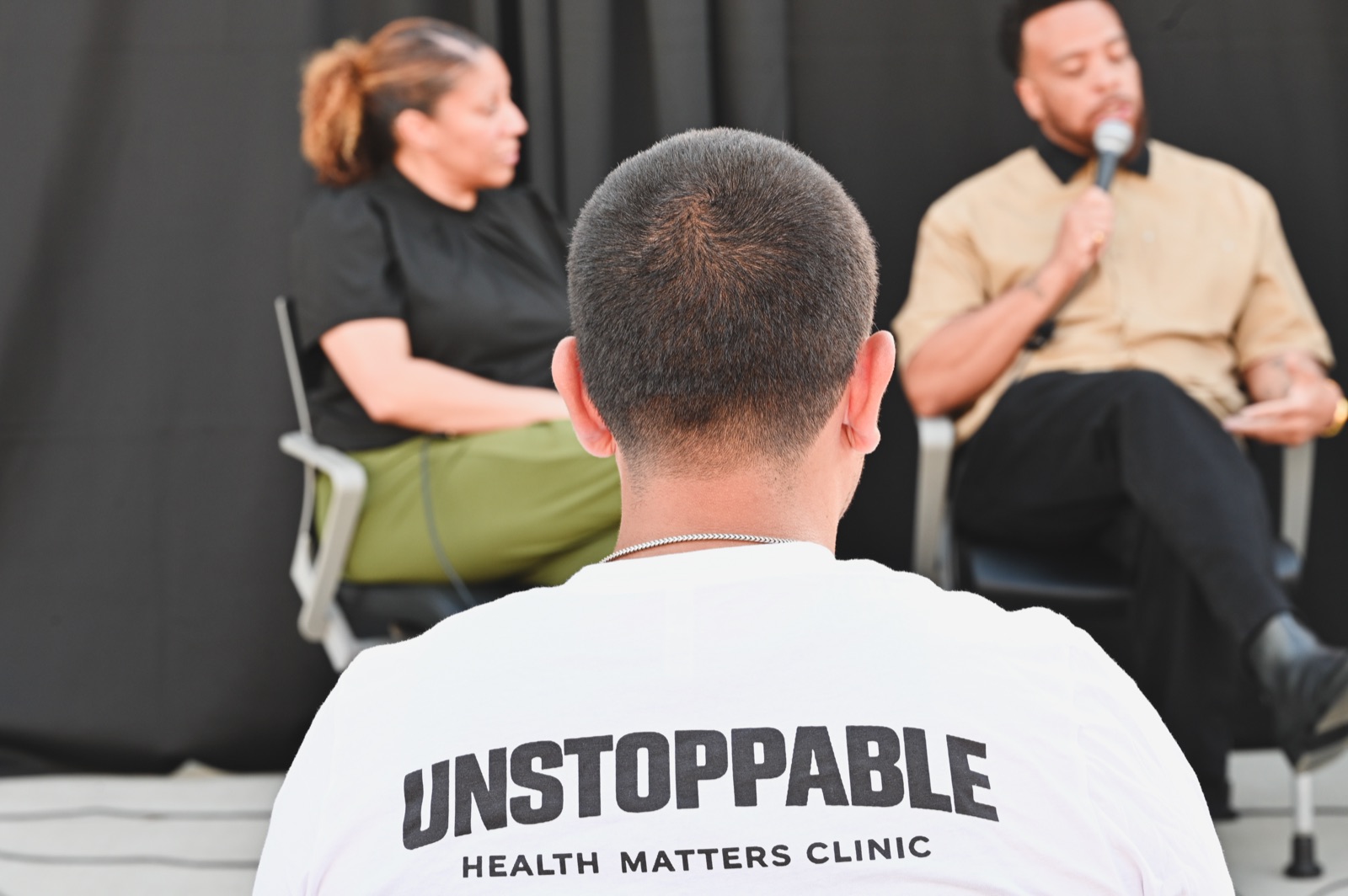
At Health Matters Clinic, we believe prevention starts with access. Our community health events offer free screenings, wellness resources, and support — because everyone deserves the chance to catch health issues early.
Here's how you can take action:
Together, we can build healthier communities — one step at a time.